Construction Materials
Waste cleanup for property & personnel protection

Dust from construction material manufacturing can be dangerous to both factory plant and personnel.
Many construction materials, including drywall/wallboard, dry and pre-cast concrete, brick, block, and asphalt, include silica as a base material. Respirable silica is a major potential worker health hazard, regulated by OSHA under 29 CFR 1910.1053, “Respirable Crystalline Silica Standard for General Industry and Maritime” (81 Fed. Reg. 16286).
Manufacturing of forest-products-based construction materials, such as plywood, engineered lumber, and furniture, can create both fugitive carcinogenic dusts, as well as potentially explosive dust concentrations.
Dust flammability varies depending on material type, particle size, and particle concentration. Flammable dust types such as sawdust, phenolic resin, and polyurethane usually have moderate flammability (Kst) and explosive force potential (Pmax) values, creating weaker explosions. Others, such as wood flour and cellulose, have high Kst values and can create strong explosions. These risks are laid out in both OSHA’s 29 CFR 1910 and NFPA’s 660 Standard. Risk to both plant and personnel can be high, even at lower Kst values, with notable industrial disasters over the last quarter century attributed to fuel-air explosions caused by flammable dust.
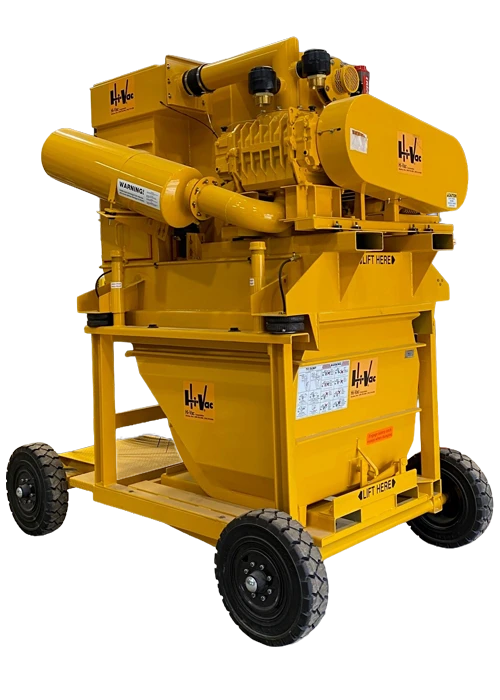
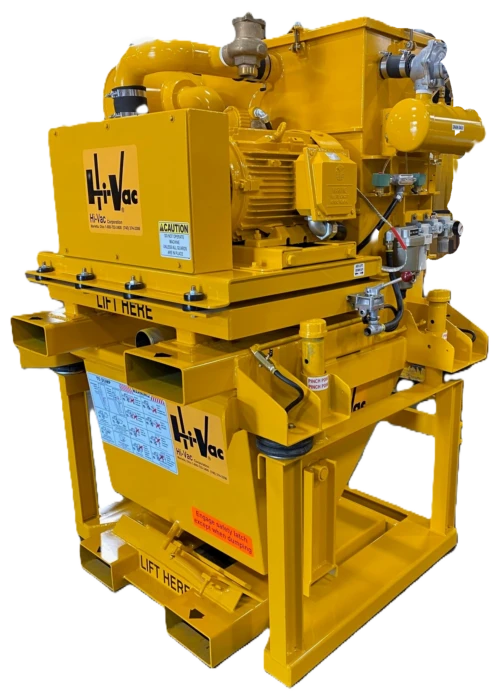
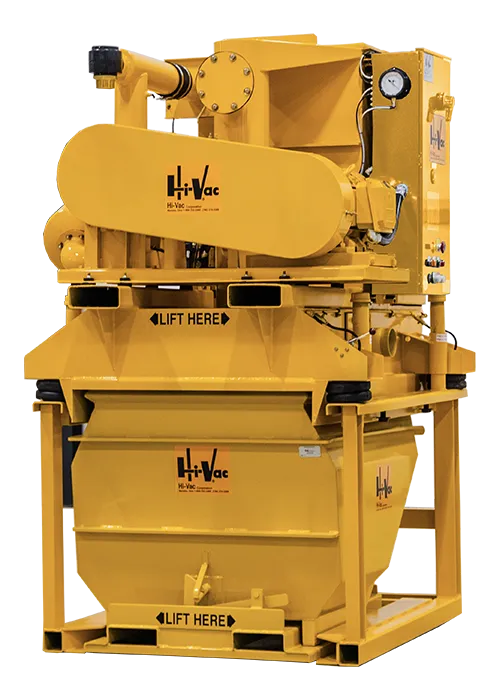
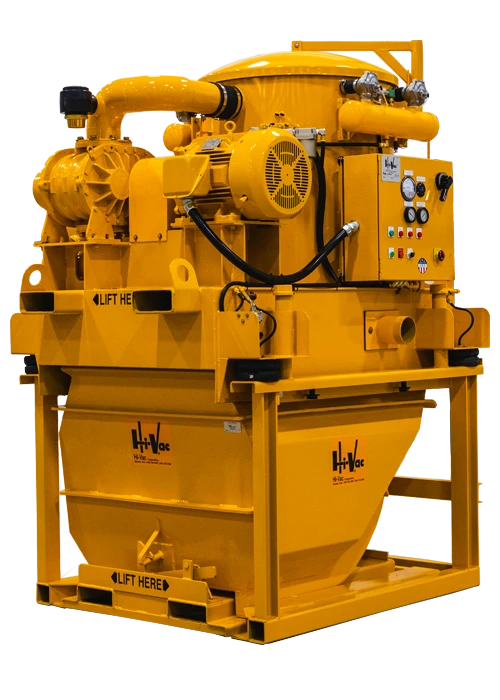
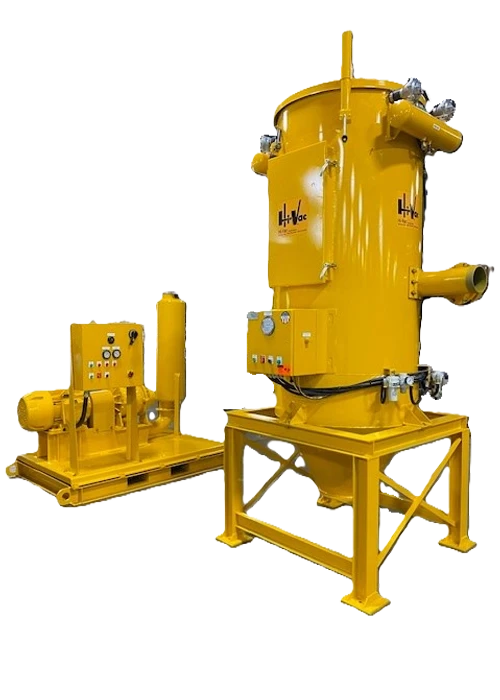
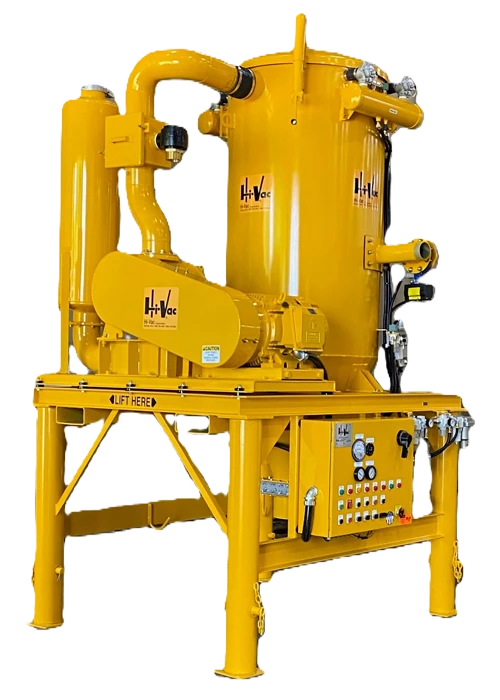
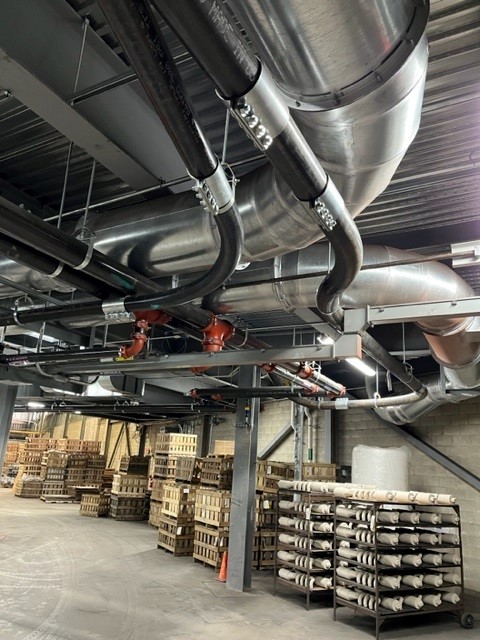
Hi-Vac Industrial’s powerful vacuum systems remove dust and debris quickly, with available standard motors up to 75HP and positive displacement blowers up to 18” HG and 1,800 CFM. When attached to a custom-configured manifold system, waste can be moved up to 500’ within your mill. The 800 Series family, in particular, is purpose-built to capture the finest fugitive dust without clogging, due to its automatic reverse air pulse filter cartridge cleaning system.
All Hi-Vac Industrial vacuums can be equipped with HEPA-based silica removal systems and a wide range of flammable and explosion-proof options, including grounding, electrical isolation, flameless relief vents, active fire suppression, and isolation valves. These systems are configured to accommodate your specific materials, even when the powerhead needs to be situated indoors.
Vacuum equipment must always be operated by a properly trained and competent worker, following all safe work practices and documented procedures for this type of equipment